Last updated September 2026
I’ve already written a bit about Nairobi, but this guide is for those planning to stay a little longer: remote workers, and anyone wanting to live and work in the city. Here, you’ll find practical logistics, neighborhood breakdowns, workspace recommendations, wellness tips, and ways to balance city life with nearby nature and adventure.
It’s a mix of my own five weeks living in Nairobi and the hard-won tips of friends who have lived here for years. Use it as your roadmap to settling in and exploring everything Nairobi has to offer.

Jump List
- Why Nairobi Is Great for Digital Nomads
- Monthly Budget
- Before You Arrive: Entry, Health, Money & SIM
- Getting Around & Safety
- Best Neighborhoods for Digital Nomads
- Working Remotely: WiFi, Power & Cafés
- Fitness, Wellness & Self-Care
- Groceries, Malls & Markets
- Food Scene in Nairobi
- Social Life & Nightlife
- Safaris From Nairobi
- Day Trips From Nairobi
- The Coast: Remote Work Reset
- Is Nairobi a Good Digital Nomad City?
- Nairobi Digital Nomad FAQ
Why Nairobi Is Great for Digital Nomads
Nairobi isn’t just the capital of Kenya. It’s one of East Africa’s top cities for remote work.
Highlights:
- Wildlife just 20 minutes from the city
- Mild, stable temperatures: 65–85°F year-round
- Fast WiFi in most modern apartments (just have a backup plan)
- Delicious and diverse food scene
- Affordable luxury apartments
- Direct flights to safari destinations and the Kenyan coast
- East Africa Time (UTC+3), which overlaps well with Europe
It’s not Bali, Lisbon, or Mexico City. It’s a completely different kind of experience, perfect if you want something unique.
Monthly Budget for Living in Nairobi (Approximate)
| Expense | Cost (USD) |
|---|---|
| 1–2 bedroom Airbnb | $1,100–1,800+ |
| Coworking / cafés | $150–300 |
| Food & groceries | $300–500 |
| Weekend trips | $100–300+ |
| Total | $1,650–2,900+ |
Before You Arrive: Entry, Health, Money & SIM
- Entry: Apply for an eTA (Electronic Travel Authorization) at etakenya.go.ke before you fly. Kenya replaced its visa with the eTA in 2024, and most nationalities need one. Stays are up to 90 days; to stay longer, you apply for an extension at the immigration office (Nyayo House) in Nairobi.
- Yellow fever card: Required if you’re arriving from a country with yellow fever risk, and they can ask for it as soon as you get off the plane. Have it ready; it makes getting through the airport much easier.
- Health: Check the CDC’s Kenya page for vaccines. Don’t drink the tap water, even to brush your teeth. Nairobi isn’t a malaria zone, but the coast and many safari areas are, so ask your doctor about malaria tablets if you’re heading out of the city.
- Money: $1 ≈ 129 KSh. Cards are widely accepted, but change a little cash at the airport for markets, roadside snacks, and small tips.
- SIM card: If you’re staying more than a few days, get a Safaricom SIM at the airport shop. The SIM costs a couple of dollars and a data bundle is roughly $5–10. A local number makes life easier for Uber, deliveries, WhatsApp, and M-Pesa (mobile money). Don’t lose your original SIM!
- Weather: Usually 65°F at night and 85°F during the day. Nairobi sits right on the equator but at about 7,000 feet, which is why it stays mild. Bring layers and a light jacket. The long rains are around April and the short rains around October; December to February is the warm season. The coast is always hot. Wear sunscreen and don’t play with this African sun, okay?!
Getting Around & Safety
- Traffic is horrific. Mentally prepare for everything to take longer than the map says, and leave extra time for reservations.
- Uber and Bolt are the easiest way to get around, and they’re cheap. Both also offer boda bodas (motorcycle taxis). Be smart and wear the helmet.
- From the airport: Use Uber/Bolt or a taxi. If you take a taxi, agree on the price before you get in; most of the city is around $20.
- Day trips: Hire a driver for the day. Uber will get you there, but you may be stranded getting back. Ask your host or hotel for someone they trust.
- Safety: The main expat neighborhoods below are considered safe, but don’t walk around at night anywhere. Take a car, even for short distances.
Best Neighborhoods in Nairobi for Digital Nomads
The main expat areas for Airbnbs are Westlands, Lavington, Kileleshwa, and Kilimani. Gigiri and Kitisuru are gorgeous and green, but out of the way, so you’ll hit a lot of traffic going anywhere.
We stayed in Kilimani for $1,100 a month in a high-rise, and we loved the location. We were walking distance to Kesh Kesh and Location Rooftop, which became my work spots. The apartment itself was great, but we did have issues with the WiFi, power, mosquitos, shower, and cleaners. Nowhere is perfect.
| Neighborhood | Vibe | Typical Airbnb Price (Monthly 1 bedroom) | Pros | Cons | Best For |
|---|---|---|---|---|---|
| Westlands | Social, convenient | $1,500–$2,200 | Cafés, nightlife, rooftop bars, malls, modern apartments | Busy traffic | First-time nomads, social life |
| Spring Valley | Quiet, green | $1,300–$2,000 | Tree-lined streets, peaceful, close to Westlands | Fewer restaurants nearby | Quiet lifestyle |
| Kilimani | Modern apartment living | $800–$1,700 | Affordable, lots of Airbnbs, gyms, Junction Mall | Traffic, chaotic streets | Value-focused nomads |
| Kileleshwa | Calm, residential | $900–$1,800 | Good Airbnb inventory, central | Less nightlife | Work-focused stays |
| Gigiri / Kitisuru | Diplomatic & lush | $1,600–$2,800 | Beautiful, green, quiet | Farther from nightlife, traffic | Longer stays, nature lovers |
Westlands: Best Overall Base
If you want convenience, walkability (by Nairobi standards), nightlife, coworking vibes, and restaurants, stay here.
- Tons of cafés and restaurants
- Easy Uber access
- Rooftop bars and nightlife
- Close to malls like Sarit Centre and Westgate
- Modern apartments with pools and gyms

Spring Valley: Quieter & Green
Right next to Westlands but more residential and calm.
- Peaceful mornings, tree-lined streets
- Still Uber-accessible
- More space, quieter nights
Kilimani: Modern Apartments (Where I Lived)
High-rise apartment living, popular with expats. It’s busy and congested, but it’s central, practical, and full of low-key gems once you slow down. Read my full guide to Kilimani.
- More affordable than Westlands
- Plenty of Airbnbs
- Near Junction Mall, Yaya Centre, gyms, and fitness studios
- Walkable to work cafés like Kesh Kesh and Location Rooftop
- Traffic and chaos can be a downside

Kileleshwa & Lavington: Chill & Central
In-between neighborhoods for focus and calm.
- Residential and leafy
- Good Airbnb options
- Close to Westlands & Kilimani
- Lavington has some of my favorite work cafés, like Pallet and Canteen
- Less nightlife, more focus-friendly
Gigiri & Kitisuru: Diplomatic Green Areas
- Stunning, lush neighborhoods
- Close to Village Market and Karura Forest
- More isolated, and traffic is a factor
- Ideal if you want peace and space
Hotels for Your First Few Nights
If you want to see the neighborhoods before committing to a monthly rental:
- Nairobi Social House: the most convenient location
- Tribe Hotel and Trademark Hotel: the nicest, and right at Village Market for shops and restaurants
- Also good: Mövenpick, Kempinski, and Palacina
Working Remotely in Nairobi
WiFi, Power & Backup Plans
- WiFi in modern apartments is usually fast, but outages happen. Mine went down more than once.
- Power cuts happen too. When booking, ask whether the building has a backup generator.
- Your Safaricom SIM is your backup: buy a data bundle big enough to hotspot your laptop on a bad day.
- For calls you can’t miss, have a café with reliable WiFi picked out ahead of time.
Cafés to Work From
Read my separate post on the best cafés in Nairobi with good WiFi for the full list, sorted by neighborhood. A few favorites:
- Kesh Kesh: my neighborhood spot in Kilimani. Big, green, and you can sit for hours.
- Le Grenier à Pain: the croissants are excellent.
- Wasp & Sprout: a good work café that’s also a favorite for brunch.
- Tomoca and Connect Coffee: for when you just want a really good cup of coffee.


Fitness, Wellness & Self-Care
Prices are approximate and may have gone up a little.
- Alpha Fit: a CrossFit-style gym. Lots of Olympic lifting, not many cardio machines. Guest day pass around $10.
- AfroFit: for machine people. New, clean, and trendy, with a similar day pass price.
- Mom3ntum: workout classes, plus cardio machines.
- Sondr: excellent Pilates. Reserve in advance.
- Serenity Spa (Kitisuru or Gigiri): massages around $50, and a must-do. The Kitisuru location is the favorite, and you can add a room with a sauna or steam room. Kempinski’s spa is lovely but pricier, and a few places in the city do a Moroccan hammam.
- Hair and nails: Spritz Hair Salon (Greenhouse) or Mystic (Kilimani) for braids; Spritz and Posh Palace for nails.
- Feeling rough? Reviv does IV drips (around $100), whether you’re sick or had one too many.
- Outdoors: walk the trails in Karura Forest and finish at River Café, which overlooks the forest. The Nairobi Arboretum is a closer green reset.
Groceries, Malls & Markets
- Groceries: Carrefour and Naivas for the basics. Zucchini is a green grocer; get the fresh ginger, lime, and sugarcane juice. You need it.
- Malls: Village Market, Westgate, Junction Mall, Rivers Mall, Sarit Centre, and The Hub in Karen.
- Maasai Market: It moves to a different spot each day, so check the schedule online, and haggle! Thursdays on the rooftop parking at Junction Mall and Fridays at Village Market are favorites.
- Karen Farmers Market: Saturdays on Marula Road. Look for the Thai lady’s pan-seared chicken dumplings.
- Treats: Nick’s Donuts in Gigiri has the best fluffy, yeasty donuts in Nairobi.
Food Scene in Nairobi
There are a lot of options, but it’s not New York, so temper your expectations. Here’s where to go:
Kenyan & African Food
- Mama Oliech: for fish
- Nyama Mama: a modern take on Kenyan food
- The Hood or Roadhouse: traditional nyama choma (grilled meat) and ugali
- Beit e Selam: modern pan-African, and a vibe
- Habesha or Abyssinia (both in Westlands): Ethiopian
- Mama Ashanti: Ghanaian jollof. The pepper sauce is HOT.
- Skip Carnivore. It’s overrated and doesn’t serve game meat anymore. Not worth your money.
The Best of the Rest
- Cultiva: the best restaurant in Kenya. No contest. Sundays are a vibe; reserve ahead. Their pizza is great too.
- Dragonfly: casual Hong Kong-style, and the food is really good
- Open House (Westlands): bomb Indian food. Chowpaty is the vegetarian Indian pick.
- Sushi: Misono or Inti. Ramen: Cheka Ramen.
- Steak and burgers: Sierra Brasserie, Local Grill, or Mama Rocks for burgers
- Pizza: 360 Degrees, which has the best gluten-free dough in town
- Mexican: Fonda NBO at Sarit Centre for birria tacos, or Mercado for the aesthetic
- Seafood: Seven at ABC Place
- Date night: Talisman, Inti, Pepper Tree, About Thyme, or Cultiva
- Brunch: Nairobi Social House, Wasp & Sprout, The Arbor, Boho Eatery, or Nook (the menu changes weekly). Hemingways does a bottomless champagne brunch for around $60 per person, if that’s your thing.
For 50+ more restaurants, cafés, and bars, see my Nairobi travel guide.


Social Life & Nightlife
Kenyans love to go out, and nights can easily end at 5 a.m. If you’re more of a people-watcher than a partier, there’s plenty for you too.
- Live music: Thursday nights at Office Park in Riverside (live band, local crowd) and Fridays at Geko Lounge
- Day party: Sundays at the K1 Flea Market
- Low-key: Blacky’z for shisha, good music, and people-watching
- Happy hour: Bar Next Door, ArtCaffe at The Oval, Mercado, Brew Bistro, and Kengeles
- Rooftops: Fifteen Rooftop, Sankara Rooftop, Hero at the Trademark Hotel, Nest at Tribe Hotel, Brew Bistro Westlands, and Emara at Ole Sereni
- Clubs: Milan, Oyster Bay, Kiza, Gemini, and Ibiza (Thursdays). Cuban Code is a cigar bar that gets lively on weekends.
- Beer: 254 Brewery
Safaris From Nairobi
Kenya is one of the greatest safari destinations in the world, and living in Nairobi means you can go more than once.
| Park | Price | Why go |
|---|---|---|
| Nairobi National Park | $ | 20 minutes from the city. A 6 a.m.–1 p.m. game drive is around $150 per person. No elephants. |
| Maasai Mara | $$$$ | The quintessential safari, with all the animals. Fly, or it’s about 5 hours each way by road. Great Migration: late July to early October. Worth it. |
| Amboseli | $$$ | Kilimanjaro views and lots of elephants. Kibo Safari Camp is a very affordable glamping option. |
| Lake Nakuru | $$–$$$ | About 3 hours by road, known for the lake and flamingos. The Cliff is an incredible place to stay. |
| Laikipia | $$$$ | Fancy, romantic, honeymoon-style. Known for rhinos. |
| Samburu | $$$$ | Wilder and less crowded, with species you won’t see down south. |
| Tsavo East & West | $$–$$$ | Huge parks far from Nairobi, with lots of elephants. |
Pair Nairobi National Park with the baby elephants at the Sheldrick Wildlife Trust (reserve ahead) and the Giraffe Centre in Karen. Details and where to stay on safari are in my Kenya itinerary.


Day Trips From Nairobi
For all of these you’ll want a driver or a car. You will be stranded if you rely on Uber.
- Ngong Hills (30 min): a great morning hike with Rift Valley views
- Kiambethu Tea Farm, Limuru (45 min): an awesome tea farm tour
- Mlango Farm, Limuru (45 min): pick your own produce
- Kitengela Glass (1 hr): artsy, with a terrifying suspension bridge
- Champagne Ridge (1 hr): beautiful Great Rift Valley views
- Lake Naivasha (1.5 hrs): boat safari, walking with animals at Crescent Island, and lots of cute places to stay overnight
- Hell’s Gate National Park (2 hrs): the landscape that inspired The Lion King. Bike through the park.
- Lake Magadi (2.5 hrs): a pink soda lake that sometimes has flamingos
Want something more adventurous? Local companies run guided day trips to hike tea farms, see waterfalls, visit the desert, or hike alongside wildlife. More ideas are in my best day trips from Nairobi list.
The Coast: Remote Work Reset
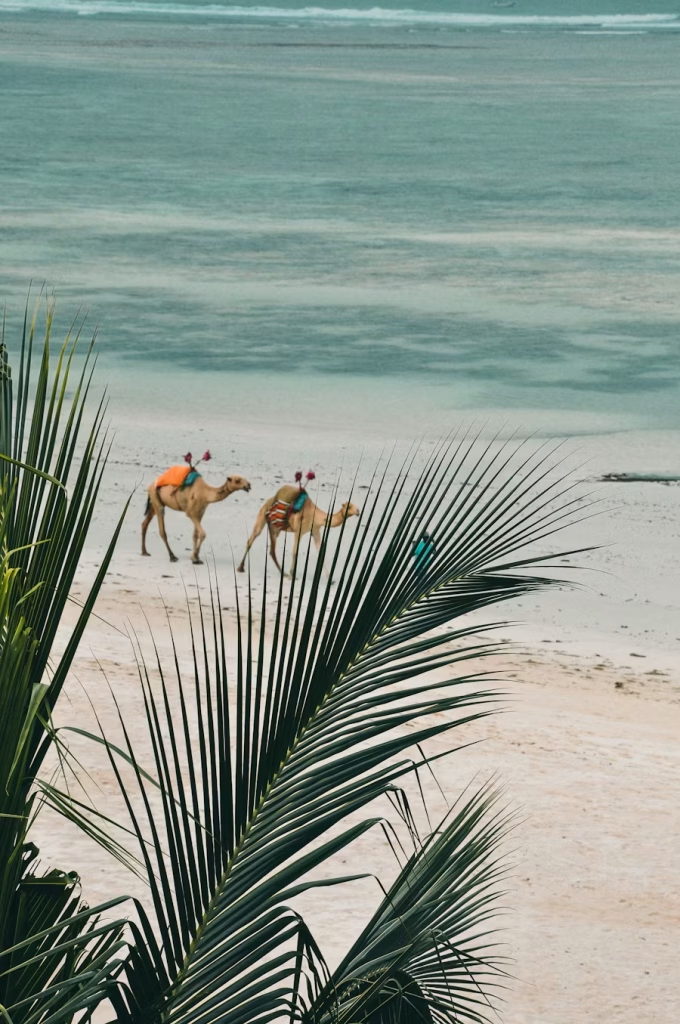
If you’re staying a month or longer, you must go to the coast. Logistics are in my week on the Kenyan coast post.
| Location | Vibe | Travel from Nairobi |
|---|---|---|
| Diani Beach | Party & beaches | ~1 hr flight, or SGR train to Mombasa |
| Lamu | Slow living, UNESCO architecture | ~1.5 hr flight + short boat |
| Watamu | Relaxed, Italian-style beaches | ~1 hr flight to Malindi |

Is Nairobi a Good Digital Nomad City?
Yes, if you want:
- Social life & events
- Affordable(ish?) luxury apartments
- Access to nature & adventure
- Warm weather
It’s not for everyone. If you need walkable streets like Europe, ultra-modern infrastructure, or dozens of coworking options, it may feel raw.
But if you lean into it, Nairobi is vibrant, exciting, and full of hidden magic.
Nairobi Digital Nomad FAQ
How much does it cost to live in Nairobi as a digital nomad?
Plan on roughly $1,650–2,900+ a month. Rent is the biggest cost: a one-bedroom Airbnb runs about $800–1,700 in Kilimani and $1,500–2,200 in Westlands. I paid $1,100 a month in Kilimani.
What’s the best neighborhood in Nairobi for digital nomads?
Westlands is the best overall base for convenience and social life. Kilimani is the best value, and Kileleshwa, Lavington, or Spring Valley are better if you want quiet.
Is the WiFi good enough to work remotely in Nairobi?
Mostly, yes. WiFi in modern apartments and work cafés is usually fast, but outages and power cuts happen. Keep a Safaricom data bundle as a hotspot backup and ask whether your building has a generator.
Do I need a visa to go to Kenya, and how long can I stay?
Most visitors need an approved eTA (Electronic Travel Authorization) before flying, which you apply for online at etakenya.go.ke. Stays are up to 90 days, and you can apply for an extension at the immigration office in Nairobi.
Is Nairobi safe for digital nomads?
The main expat neighborhoods are considered safe for daily life. The big rules: don’t walk around at night, use Uber or Bolt, and keep your phone out of sight on the street.
More Nairobi & Kenya Guides
- 10 Best Cafés in Nairobi with Good WiFi
- Nairobi Travel Guide: 50+ Cafés, Restaurants, Nightlife & Experiences
- What to Do in Kilimani
- How to Spend One Day in Karen
- The Perfect 10-Day Kenya Itinerary
- All Kenya travel guides
Planning a long stay somewhere new? I send new guides for nomads and slow travelers to my newsletter.